
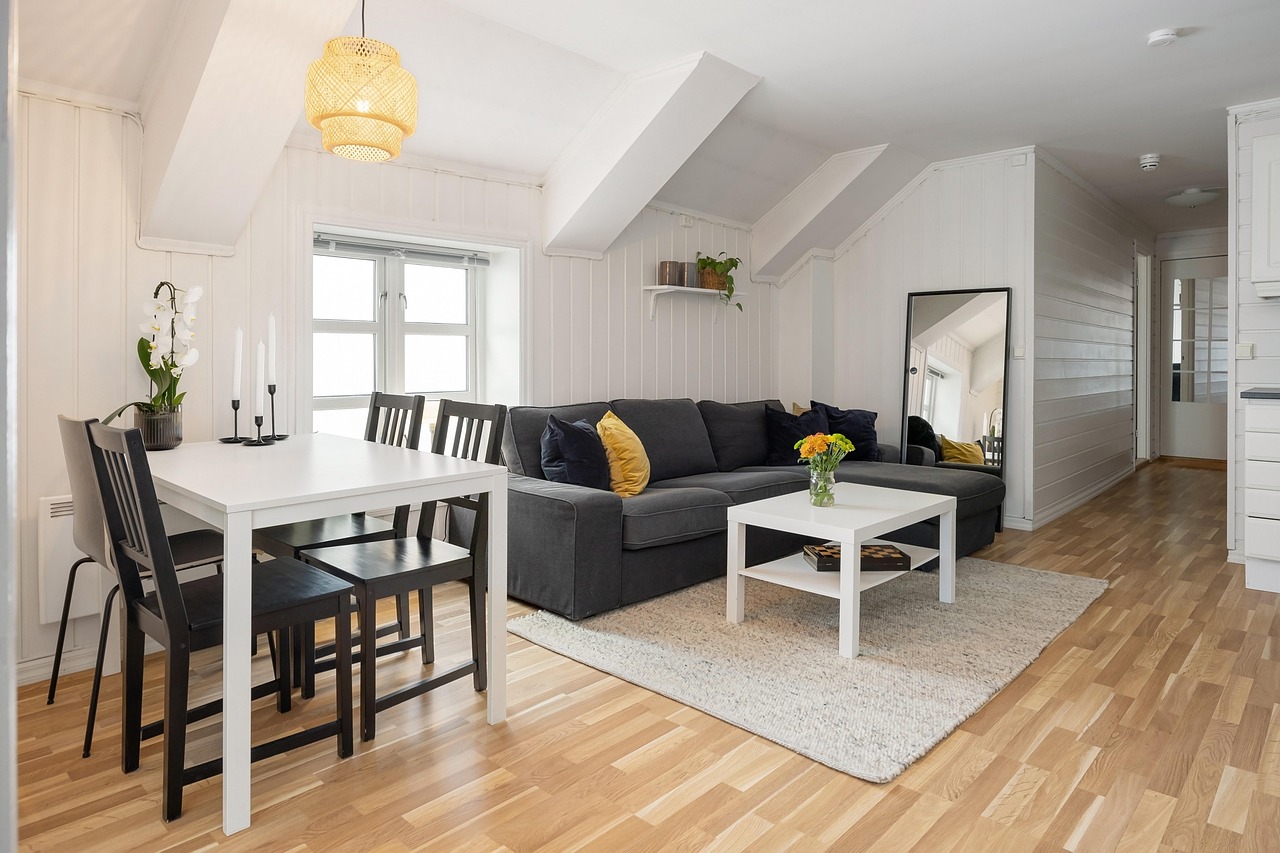
Renovating your home with resale in mind is one of the most effective ways to increase its market value. Not all upgrades deliver the same return, so focusing on improvements that appeal to a wide range of buyers is essential. Strategic renovations can enhance functionality, improve aesthetics, and boost overall buyer confidence.
Kitchen Upgrades That Attract Buyers
The kitchen is often a top priority for homebuyers. Modernizing this space can significantly impact resale value. Updating countertops, cabinets, appliances, and lighting can create a fresh, functional look without requiring a full remodel. Neutral colors, energy-efficient appliances, and ample storage tend to have broad appeal and help buyers envision themselves in the space.
Bathroom Improvements That Add Value
Bathrooms play a major role in buyer decision-making. Simple upgrades such as replacing outdated fixtures, installing new vanities, improving lighting, and refreshing tile can make a noticeable difference. Clean, modern bathrooms with efficient layouts and quality finishes give the impression of a well-maintained home and can increase perceived value.
Enhancing Curb Appeal
First impressions matter, and curb appeal can directly influence a buyer’s interest before they even step inside. Landscaping improvements, fresh exterior paint, updated entry doors, and well-maintained walkways can dramatically improve a home’s appearance. Small exterior upgrades often offer a high return because they enhance visual appeal at a relatively low cost.
Energy-Efficient and Smart Home Features
Energy efficiency is increasingly important to modern buyers. Upgrades such as improved insulation, energy-efficient windows, smart thermostats, and updated HVAC systems can reduce utility costs and add long-term value. Smart home features that enhance convenience and security also make a property more attractive in competitive markets.
Open and Functional Living Spaces
Buyers tend to favor open, flexible layouts that support modern lifestyles. Removing non-structural walls, improving natural light, or reconfiguring space to create multifunctional areas can make a home feel larger and more usable. Functional layouts that accommodate home offices or entertainment spaces are especially appealing.
Flooring and Interior Finishes
Worn or outdated flooring can negatively affect a home’s resale value. Replacing old carpets with hardwood, laminate, or luxury vinyl flooring can provide a clean and modern look. Updating interior finishes such as paint, trim, and fixtures with neutral, cohesive designs helps create a move-in-ready feel that buyers appreciate.
Maintenance and Structural Updates
Addressing essential maintenance issues is just as important as cosmetic upgrades. Repairs to roofing, plumbing, electrical systems, and foundations reassure buyers that the home is structurally sound. A well-maintained home reduces buyer concerns and can help prevent price negotiations related to inspection findings.
Renovations to Approach with Caution
Not all renovations guarantee a return on investment. Highly personalized designs, luxury upgrades that exceed neighborhood standards, or extensive remodels can limit buyer appeal. Focusing on balanced, practical improvements that align with local market expectations is a smarter approach to increasing resale value.
Conclusion
Smart renovations focus on improving functionality, efficiency, and visual appeal without overinvesting. By prioritizing kitchens, bathrooms, curb appeal, and essential upgrades, homeowners can increase their property’s resale value and attract more buyers. Thoughtful planning and market awareness are key to maximizing returns on renovation investments.

